
Isaac Sweersin muotokuva, Amsterdamin päällikkö ja Itä-Intian kauppakomppanian kuvernööri - Cornelis Troost | Taidetuloste


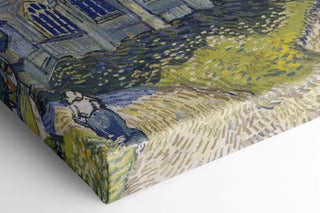
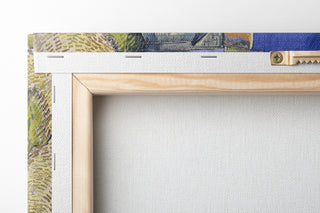
Takaa näkyvä näkymä
Kehys (valinnainen)
Reproduction Portrait of Isaac Sweers, Dutch East India Company officer and governor of the Dutch East India Company - Cornelis Troost – Engaging introduction
In the vast panorama of Dutch art history, Cornelis Troost's "Portrait of Isaac Sweers" stands out for its elegance and psychological depth. This Taidetuloste, which captures the imposing stature of Sweers, does not merely depict a man of power; it also evokes an era when the Netherlands, through their East India Company, shaped global trade. Troost's painting, with its striking realism, immerses us in a specific moment of history while revealing universal themes such as authority, duty, and identity. The viewer's eye is immediately drawn to Sweers' penetrating gaze, which seems to transcend time to address us directly.
Style and uniqueness of the work
Cornelis Troost's style, often associated with the baroque movement, is characterized by skillful use of light and shadow, a technique that gives his portraits an almost sculptural dimension. In the "Portrait of Isaac Sweers," the color palette chosen by the artist accentuates the contrast between the richness of the fabrics and the sobriety of the background, creating an atmosphere that is both solemn and intimate. The meticulous details, such as the ornaments of Sweers' uniform, testify to a concern for realism that goes beyond mere physical representation. Troost manages to capture not only the appearance of his subject but also his essence, his character. The work, while being a Taidetuloste of grandeur, also becomes a reflection on the role of the individual in society and the responsibilities that accompany them.
The artist and his influence
Cornelis Troost, active in the 18th century, is often regarded as one of the great portraitists of his time. Trained during a period of artistic and social change, he succeeded in establishing himself through his ability to combine tradition and innovation. Influenced by the masters of the past, Troost nevertheless developed a unique style that allowed him to stand out in the art world. His portraits, in particular,
Isaac Sweersin muotokuva, Amsterdamin päällikkö ja Itä-Intian kauppakomppanian kuvernööri - Cornelis Troost | Taidetuloste

-10% DÄS 95€ OSTOKSISTA
-15% DÄS 195€ OSTOKSISTA
Tavanomainen hinta
- yksikköhinta
- par
Ilmainen toimitus
4,90 € / Toimitus ilmaiseksi yli 39 €:n ostoksista
Tyytyväisyystakuu tai rahojen palautus
Ilmaiset palautukset 30 päivän aikana
Takuu 10 vuotta
Meidän painoksiamme on taattu 10 vuoden ajan
Kysymys? Olemme täällä!
sähköpostitse osoitteeseen contact@artemlegrand.com
TILAUKSESI VAIHEET

EHDOT 1 - TILAUS TEHTY
Tilauksesi on vahvistettu ja aloitamme tuotannon
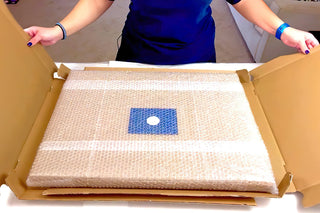
VAIHE 2 - TOIMITUS
Lähetämme tilauksesi. Lähetämme sinulle sähköpostin seuratakseen edistymistä

VAIHE 3 - TOIMITUS
Saat tilauksesi. Voit myös valintasi mukaan saada toimituksen noutopisteeseen.
Rendu mat
Takaa näkyvä näkymä
Kehys (valinnainen)
Reproduction Portrait of Isaac Sweers, Dutch East India Company officer and governor of the Dutch East India Company - Cornelis Troost – Engaging introduction
In the vast panorama of Dutch art history, Cornelis Troost's "Portrait of Isaac Sweers" stands out for its elegance and psychological depth. This Taidetuloste, which captures the imposing stature of Sweers, does not merely depict a man of power; it also evokes an era when the Netherlands, through their East India Company, shaped global trade. Troost's painting, with its striking realism, immerses us in a specific moment of history while revealing universal themes such as authority, duty, and identity. The viewer's eye is immediately drawn to Sweers' penetrating gaze, which seems to transcend time to address us directly.
Style and uniqueness of the work
Cornelis Troost's style, often associated with the baroque movement, is characterized by skillful use of light and shadow, a technique that gives his portraits an almost sculptural dimension. In the "Portrait of Isaac Sweers," the color palette chosen by the artist accentuates the contrast between the richness of the fabrics and the sobriety of the background, creating an atmosphere that is both solemn and intimate. The meticulous details, such as the ornaments of Sweers' uniform, testify to a concern for realism that goes beyond mere physical representation. Troost manages to capture not only the appearance of his subject but also his essence, his character. The work, while being a Taidetuloste of grandeur, also becomes a reflection on the role of the individual in society and the responsibilities that accompany them.
The artist and his influence
Cornelis Troost, active in the 18th century, is often regarded as one of the great portraitists of his time. Trained during a period of artistic and social change, he succeeded in establishing himself through his ability to combine tradition and innovation. Influenced by the masters of the past, Troost nevertheless developed a unique style that allowed him to stand out in the art world. His portraits, in particular,